More Than a Recipe
Food has always been about more than food.
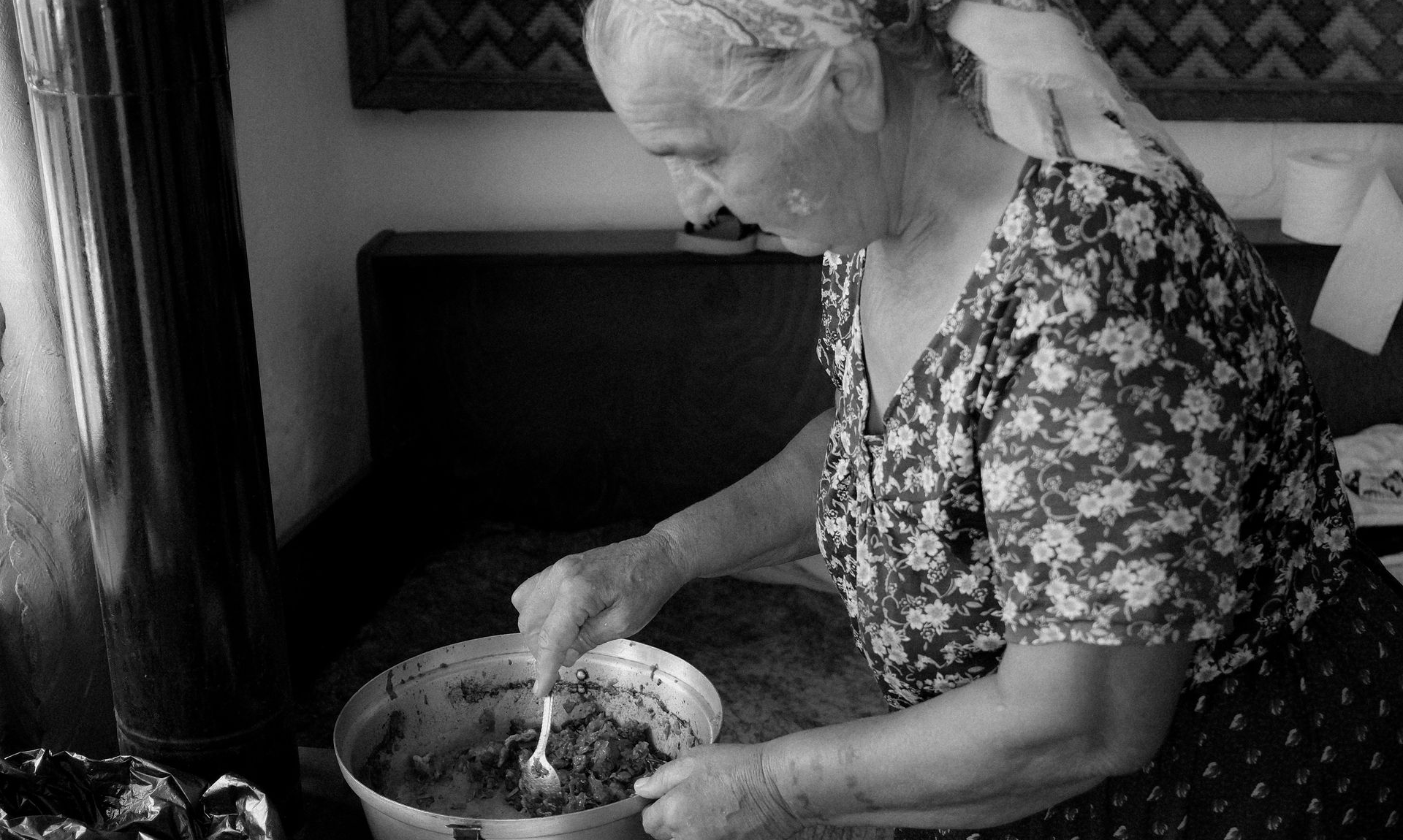
Long before recipes were printed in cookbooks, posted on websites, or shared on social media, they were passed from one generation to the next around kitchen tables. A grandmother showed her granddaughter how much flour to use. A father taught his son how to make the soup his own father made before him. Families gathered, meals were shared, and traditions were preserved.
Often, the recipes themselves were surprisingly simple. What made them valuable wasn't the ingredients. It was the stories, memories, and relationships attached to them.
Many of us can remember a meal that immediately brings someone to mind. Maybe it's a holiday dish that only your grandmother could make correctly. Maybe it's a casserole that showed up whenever a neighbor was sick. Maybe it's a recipe scribbled on an old index card, stained from years of use and tucked away in a kitchen drawer.
Food has a unique way of connecting us to people, places, and moments that matter.
That's one reason so many people were drawn to Clara Cannucciari and her popular "Great Depression Cooking" videos. People weren't simply interested in how to make pasta and peas, potato soup, or simple homemade desserts. They were captivated by Clara's stories. Through her recipes, she shared memories of family, hardship, perseverance, gratitude, and community.
Viewers weren't just learning how to cook. They were learning how previous generations lived. They were hearing firsthand accounts of neighbors helping neighbors, families stretching what little they had, and communities finding ways to care for one another during difficult times.
The meals reflected an important truth: people have always found ways to care for one another, even when resources were limited.
At the Center of Hope, we see that same spirit every day.
Our Free Choice Market provides food, but what happens after people leave the market is just as important. Families gather around dinner tables. Parents teach children favorite recipes. Neighbors exchange meal ideas. Friends share tips for making the most of what's available. In those moments, food becomes more than nourishment. It becomes a way of building relationships and strengthening bonds.
A meal prepared together often becomes an opportunity for conversation. It creates space for parents to connect with their children. It gives families a chance to pause in the middle of busy schedules and simply spend time together. Some of life's most meaningful conversations happen not in formal settings, but over a simple dinner shared with people we love.
Every community develops a collection of shared wisdom. Sometimes that wisdom comes in the form of practical advice. Sometimes it comes through stories. And sometimes it comes through recipes that have been handed down for decades.
From time to time, we gather and share recipes from members of our community. Not because we believe there's only one way to prepare a meal, but because each recipe represents something larger. It reflects creativity, resourcefulness, family traditions, and the willingness to share with others.
A recipe can tell us a great deal about a family. It may reveal where they came from, what challenges they faced, or what they celebrated together. It may represent cultural traditions that have survived for generations. It may remind someone of a loved one who is no longer here. What looks like a list of ingredients on paper often carries a much deeper story.
In a world that often feels increasingly disconnected, there is something powerful about the simple act of sitting down together to eat.
Meals slow us down. They create space for conversation. They strengthen families. They help children feel secure and connected. They remind us that we belong to one another. They create opportunities for hospitality, generosity, and friendship.
That is part of why food has always been central to community life. Throughout history, people have gathered around tables to celebrate, mourn, encourage one another, and build relationships. Shared meals have a way of breaking down barriers and bringing people together.
A recipe may seem like a small thing. But sometimes a recipe carries a story. Sometimes it preserves a memory. Sometimes it strengthens a family. And sometimes a simple meal shared with others becomes the beginning of a lasting relationship.
At the Center of Hope, we believe those connections matter.
After all, we aren't just distributing food. We're helping build community, strengthen families, and share hope.
Hope Journal